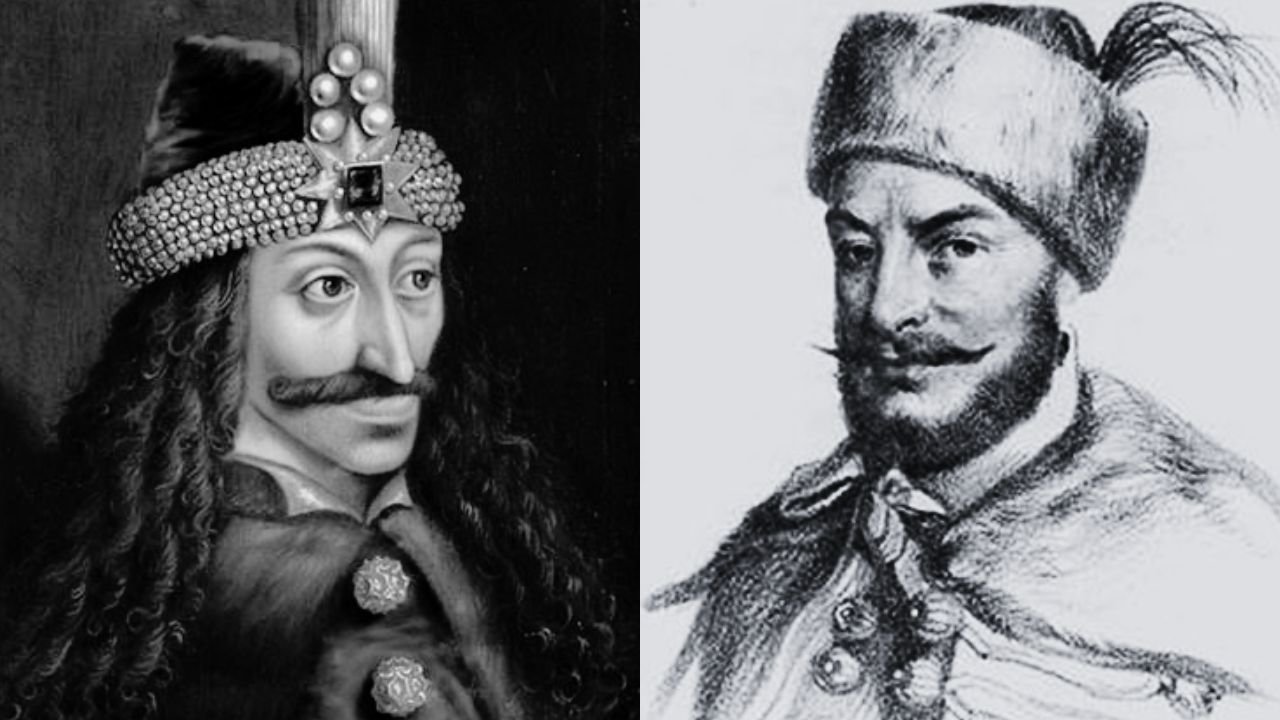
Most people who come across the name Mihnea cel Rău are already looking for someone else — specifically, Vlad Țepeș, better known as Dracula. But Mihnea is more than a supporting character in his father’s story. He was a ruler in his own right, and his name continues to appear regularly in genealogy databases, historical records, and ancestry searches around the world.
This article covers who Mihnea cel Rău actually was, what his dramatic nickname means, how he fits into the Wallachian royal family tree, what his short rule looked like, and why people keep finding his name when they search today.
Who Was Mihnea cel Rău?
Mihnea cel Rău was a historical Wallachian prince — not a modern public figure. He is believed to have been born somewhere between 1460 and 1462, though the exact year varies slightly depending on the source. He died on 12 March 1510 in Sibiu, a city in present-day Romania then known as Hermannstadt.
He was the son of Vlad III Dracula, also called Vlad Țepeș — one of the most recognized figures in medieval European history. That parentage alone is the main reason people search for him today.
Mihnea served as Voivode, or Prince, of Wallachia from 1508 to 1509. His reign lasted roughly one year. The simplest way to describe him is this: he was Dracula’s son who became a ruler himself.
What “cel Rău” Actually Means?
The nickname is the first thing readers notice, and it deserves an honest explanation.
“Cel Rău” is Romanian. It translates roughly as “the Bad,” “the Evil One,” or “the Wrongdoer.” It sounds dramatic, and it is. But it is important to understand what this kind of label actually is.
It is a historical epithet — a nickname applied after the fact by chroniclers or political opponents, not something Mihnea called himself. Medieval Wallachian rulers were frequently given descriptive labels like this. The names often reflected how certain factions remembered a ruler, not a balanced account of who that person actually was.
So while “the Evil One” sounds like a personality verdict, it is really more of a political label with historical roots. Readers should not treat it as a verified description of his character. It tells us more about how some people remembered him than about who he truly was as a person.
His Place in the House of Drăculești
To understand Mihnea, you need a little context about the family he came from.
The House of Drăculești was the ruling branch of Wallachia associated with Vlad II Dracul and his descendants. The family name traces back to the Order of the Dragon, a chivalric order that Vlad II belonged to. The Romanian word “drac” — which later evolved in folk meaning toward “devil” — originally connected to this order, not to any supernatural identity.
The lineage runs in a clear line:
- Vlad II Dracul — founder of the Drăculești branch
- Vlad III Dracula (Vlad Țepeș) — his son, the famous ruler
- Mihnea cel Rău — son of Vlad III, ruler of Wallachia 1508–1509
Mihnea carried the Drăculești name forward and passed it on to the next generation. His known children, according to several genealogical accounts, include Mircea III and Ruxandra. That said, not every source agrees on all the details of his offspring, so those names should be understood as historically reported rather than absolutely confirmed.
This family connection is a big reason Mihnea appears so often in genealogy searches. When people trace the Dracula bloodline, Mihnea is one of the first direct descendants they encounter. He is, in a real sense, a genealogical bridge between the Dracula legend and the later Wallachian ruling line.
His Rule Over Wallachia
Mihnea ruled Wallachia from 1508 to 1509. By modern standards, one year is a remarkably short time to hold power. By the standards of medieval Wallachia, it was not unusual at all.
Wallachia during this period was under constant pressure. The Ottoman Empire held significant influence over the region, and local noble factions — known as boyars — frequently competed for control of the throne. This combination made long, stable reigns rare. Princes were installed, removed, and replaced with striking regularity.
Mihnea’s rule fits that pattern. He came to power in 1508 and was forced out in 1509 when political forces moved against him. The details of exactly how his reign ended are limited in the surviving historical record, but the general shape of events — a short reign followed by removal — was entirely typical for the time and place.
After losing the throne, Mihnea fled. He was eventually killed in Sibiu in 1510, reportedly stabbed by a political enemy. Even the circumstances of his death reflect the violent and unstable world of Wallachian politics during that era.
Why Does He Keep Appearing in Searches Today?
This is a fair question. Mihnea cel Rău lived over 500 years ago and held power for barely a year. So why does his name keep showing up in online searches and genealogy databases?
The answer is his father.
Vlad Țepeș — Vlad the Impaler, Dracula — is one of the most searched historical figures in European history. He is the basis for the vampire legend popularized by Bram Stoker, and his life has been covered in books, films, documentaries, and countless online articles. When people explore that story and start looking into Dracula’s actual family, Mihnea is the first direct descendant they find who also held a throne.
Genealogy platforms like MyHeritage, WikiTree, and similar databases have indexed Mihnea as a confirmed historical person connected to Vlad III. That means anyone building a family tree that touches the Drăculești line will likely encounter his name. He is not famous in the way a modern celebrity is famous, but he occupies a specific and searchable node in one of history’s most recognized family lines.
For anyone interested in medieval Romanian history or the real story behind the Dracula legend, Mihnea represents something genuinely interesting — proof that the Drăculești line continued past Vlad Țepeș, and that his descendants were real political actors, not just historical footnotes.
If you enjoy discovering stories like this — historical figures who surface in unexpected places — Daily Business Goal covers a wide range of topics connecting history, culture, and the people behind well-known names.
A Few Things Worth Keeping in Mind
When reading about Mihnea cel Rău, it helps to approach the available information with some caution. Here is what to keep in mind:
- His exact birth year is not confirmed — sources place it somewhere in the early 1460s.
- Details about his mother’s identity vary across sources and are not definitively settled.
- Genealogy websites can be helpful starting points, but they are not all equally reliable. Some family-tree entries are user-generated and may not be backed by solid historical evidence.
- The nickname “cel Rău” should not be read as a character summary. It is a political label, not a biography.
- He is sometimes referenced in historical sources as Mihnea I, which refers to the same person — just a different naming convention.
None of this makes him less interesting. It just means reading about him requires a little more care than reading about a modern public figure with a documented public record.
Final Thoughts
Mihnea cel Rău was a real historical prince who ruled Wallachia for about a year in the early sixteenth century. He came from one of medieval Europe’s most recognized dynastic lines, carried his father’s legacy forward, and died in political circumstances that were sadly common for rulers of his time and place.
He is not a celebrity in any modern sense. But he is historically significant — and for anyone tracing the real history behind the Dracula story, he is one of the most direct and confirmed links between Vlad Țepeș and the generations that followed.
If you came here looking for Dracula and found his son instead, that is exactly how Mihnea tends to be discovered — and it turns out he is worth knowing about.
Also Read:

