The name Rhaena Targaryen shows up in more than one place across Targaryen history. In fact, it belongs to three different women across three separate generations. That makes it easy to land on the wrong profile when you’re searching for her.
This article breaks down which Rhaena is which, focuses on the one connected to HBO’s House of the Dragon, and maps out the family tree that makes her name worth knowing.
Three Women, One Name — Which Rhaena Targaryen Is Which
Royal families have always recycled names. European history is full of multiple Henrys, Elizabeths, and Catharines across the same bloodline. The Targaryens do the same thing, which is why readers often get confused when they search for Rhaena Targaryen and get mixed results.
Here are the three distinct canon characters who share the name:
- Rhaena, daughter of Aenys I — The eldest child of King Aenys I Targaryen and Queen Alyssa Velaryon, born in 23 AC. She was the first grandchild of Aegon the Conqueror, who reportedly wept when he held her. She was a dragonrider, bonded to a dragon named Dreamfyre.
- Rhaena, daughter of Aegon III — The second daughter of King Aegon III and Queen Daenaera Velaryon, born in 147 AC. She plays a much smaller role in the written history and has limited coverage compared to the others.
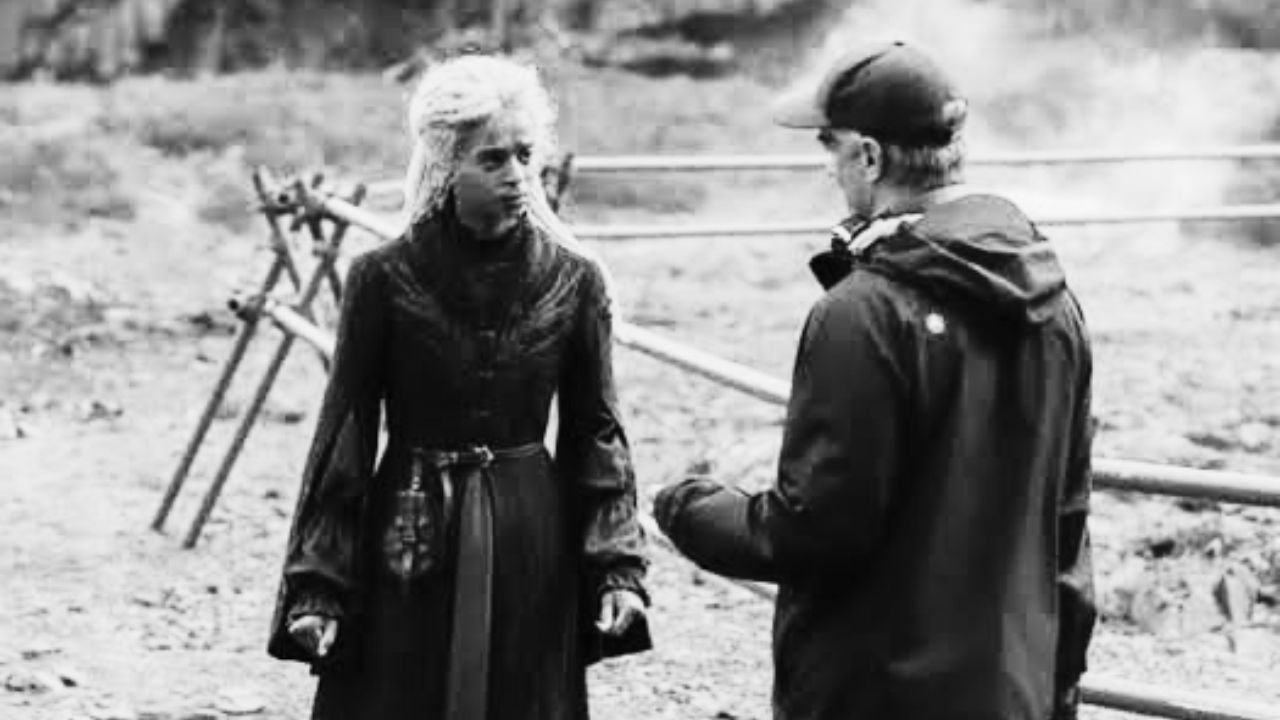
- Rhaena, daughter of Daemon — This is the one most people are searching for right now. She is a princess of the Dance of the Dragons era, portrayed in House of the Dragon by actress Phoebe Campbell. This article focuses on her.
If you came here because of House of the Dragon or a recent family-tree explainer, the third Rhaena — Daemon’s daughter — is the one you want.
Who Is Rhaena Targaryen, Daughter of Daemon
Rhaena Targaryen is a princess of House Targaryen, set during the civil war period known as the Dance of the Dragons. She lives in the middle of one of the most turbulent chapters in Targaryen history, though she is not a front-line political figure herself.
She is the younger twin sister of Baela Targaryen. The two girls share the same parents but have different storylines as the show develops. There is also mention in source material of an unnamed infant brother who did not survive.
In House of the Dragon, Rhaena is played by Phoebe Campbell. Harper’s Bazaar has described her as one of the show’s most promising characters, and fan interest in her arc has grown steadily as the series has continued.
Her story is shaped largely by three things: her bloodline, her betrothal, and her complicated relationship with dragon-riding. Unlike her twin sister or many of her Targaryen relatives, Rhaena’s connection to a dragon is not straightforward — and that emotional tension is part of what makes her character compelling to audiences.
Her Parents — Daemon Targaryen and Laena Velaryon
To understand why Rhaena appears so often in family-tree breakdowns, you have to start with her parents. Both are significant figures in their own right.
Her Father: Daemon Targaryen
Daemon Targaryen is one of the most prominent characters in House of the Dragon. He is a prince, warrior, and dragonrider — and one of the central forces in the Dance of the Dragons conflict. Daemon is well documented across both book canon and the show, and his name carries enormous weight in Targaryen history.
Being Daemon’s daughter places Rhaena directly inside the royal line. It is not a distant connection — it is as close to the center of power as you can get in this era.
Her Mother: Laena Velaryon
Rhaena’s mother is Laena Velaryon, a noblewoman from House Velaryon and a dragonrider in her own right. Laena comes from one of the most powerful non-Targaryen families in the story, with deep ties to the sea and to Targaryen politics through blood and alliance.
Laena’s dragon was Vhagar — one of the largest and oldest dragons in the known world at that time.
Through her mother, Rhaena inherits Velaryon noble standing alongside her Targaryen royal blood. That dual heritage is exactly why she keeps showing up as a connecting node in fan-made and official family trees.
Grandparents, Cousins, and Extended Royal Ties
Rhaena’s position in the wider family network is what gives her real genealogical weight. She sits at the intersection of two great houses, connected to almost every major player in the Dance of the Dragons era.
Her Paternal Grandparents
On her father Daemon’s side, her grandparents are Baelon Targaryen and Alyssa Targaryen (also sometimes recorded as Alyssa Velaryon by marriage). Both were powerful figures within the Targaryen royal family. This line traces directly back to Aegon the Conqueror.
Her Maternal Grandparents
On her mother Laena’s side, Rhaena’s grandparents are Corlys Velaryon and Princess Rhaenys Targaryen. Corlys — known as the Sea Snake — is one of the wealthiest and most powerful lords in the story. Rhaenys is a Targaryen princess in her own right, sometimes called “the Queen Who Never Was.”
Together, Corlys and Rhaenys form one of the most formidable political couples of the era. Rhaena being their granddaughter matters — it ties her to Targaryen royal blood on both sides of her family tree.
Her Wider Family Connections
The extended list of connections is where things get layered:
- Rhaena is the niece of King Viserys I Targaryen, the king whose death sets the civil war in motion.
- She is a cousin of King Aegon II Targaryen, the figure who sits on the opposing side of the Dance of the Dragons from her own faction.
- When her father Daemon later marries Rhaenyra Targaryen, Rhaena becomes both Rhaenyra’s stepdaughter and cousin — a layered relationship that reflects how tangled Targaryen bloodlines could get.
- Through that same marriage, she becomes a legal cousin and stepsister to Rhaenyra’s sons: Jacaerys, Lucerys, and Joffrey Velaryon.
- She is also the half-sister of Aegon III and Viserys II — two future kings — through Daemon’s children with Rhaenyra.
A simplified way to see it: almost every major name in House of the Dragon connects back to Rhaena through one branch or another. That is why she keeps appearing in character breakdowns even when her individual screen time is limited.
Her Betrothal and Its Political Meaning
One of the clearest reasons Rhaena appears in coverage aimed at general audiences is her betrothal to Lucerys Velaryon, her cousin. This match is not accidental — it is a deliberate political alliance.
Marrying a Targaryen princess descended from both Daemon and Laena into the Velaryon line was a way of reinforcing the bond between two houses that needed each other. House Velaryon controlled the largest fleet in Westeros. House Targaryen needed that fleet to maintain power. The betrothal kept both the bloodline and the military resource tied to Rhaenyra’s faction during the civil war.
It is the same logic that real royal families used for centuries: marriage as a political tool, not just a personal arrangement.
How She Fits Into the Bigger Picture
Rhaena Targaryen is not the most powerful figure in her own story. She does not make the key military decisions or lead armies. But she matters because of where she sits in the network around her — and because her arc, especially around dragon-riding, carries emotional weight that connects to broader themes in the show.
Coverage from outlets like Daily Business Goal and entertainment media more broadly has noted how younger-generation Targaryens like Rhaena often carry the long-term consequences of the choices made by the adults around them.
Her dragon situation is part of that. In book canon, her relationship to a dragon is more complicated than her twin Baela’s. That tension — of being a Targaryen who does not yet have a dragon to call her own — gives her character a kind of quiet vulnerability that stands apart from the more obvious power players in the story.
A Quick Note on the Other Rhaenas
Before closing, it is worth restating clearly for anyone still sorting through the confusion:
The Rhaena who rode Dreamfyre and was Aegon the
Also Read:

